

How Agentic AI could reshape commerce in India

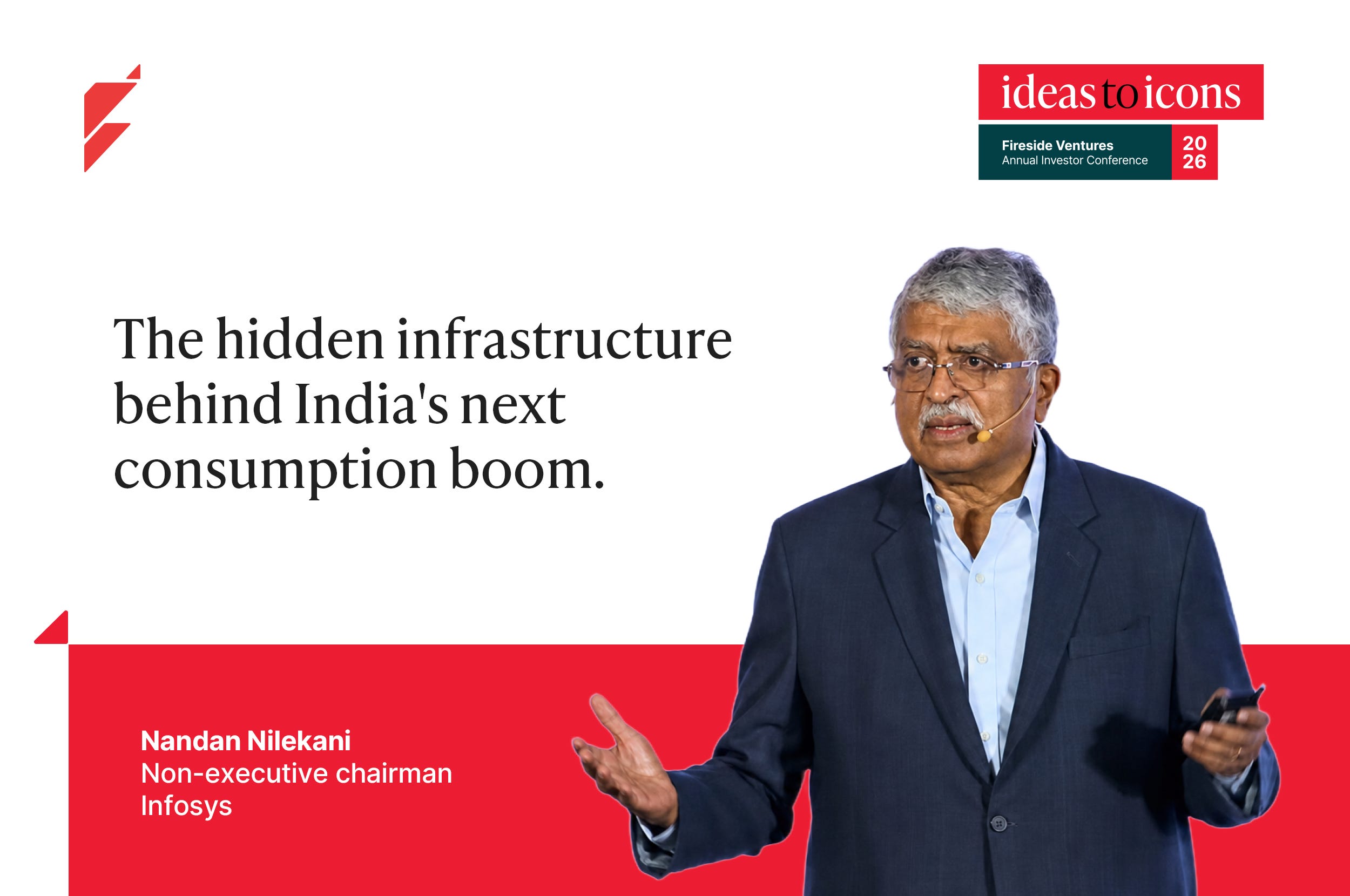
Nandan Nilekani’s keynote at Ideas to Icons 2026 was, in many ways, about the hidden infrastructure behind India’s consumption story.
He went back to 2016, the year Aadhaar crossed a billion people, UPI launched without fanfare and the cost of data fell dramatically. Those shifts built the rails for a new consumer economy. They made access cheaper, payments simpler, and participation easier. In doing so, they gave India its first real source of consumption alpha: growth powered not only by aspiration, but by infrastructure.
Nilekani’s view is that the second source of alpha could come from Agentic AI.
The following is not the full keynote, but one argument from it. Digital public infrastructure made commerce more seamless. Agentic AI may make it more autonomous.
1. Agentic AI is a second booster, not just a better interface
Nandan Nilekani’s point was not that Agentic AI is another interface layered on top of commerce. It is that it could become a second force multiplier.
The first wave of infrastructure made participation easier. This next wave could make action easier. It reduces the effort involved in discovering, evaluating and buying; and in doing so, changes the balance of power in the purchase journey.
That is the deeper shift.
When consumers no longer have to search, compare, filter and decide entirely on their own, the brand’s real challenge changes. It is no longer only about reaching the consumer. It is about being understood, trusted and selected by the systems that may increasingly act on the consumer’s behalf.
2. Agentic AI makes complex markets consumable
To explain what Agentic AI could make possible, Nilekani did not begin with shopping. He began with electricity.
The example was peer-to-peer energy trading: a future where a household with surplus rooftop solar power could sell it directly to someone who needs it elsewhere. A farmer in Uttar Pradesh with excess solar energy, for instance, could sell power to a tailor in Delhi looking to lower his electricity bill.
On paper, the idea is powerful. In practice, it is deeply complex.
Electricity is not an intuitive peer-to-peer product. It has to be measured, priced, matched, settled and transacted through a system most consumers will never fully understand. Today, surplus rooftop solar is typically routed back to the grid through net metering, with credits often taking months to reflect. Peer-to-peer trading asks a much harder question: can individuals buy and sell small units of electricity to each other directly?

This is where Agentic AI becomes more than a layer of convenience.
With an agent on the seller’s side and an agent on the buyer’s side, the complexity of the transaction can move into the background. A user does not need to understand the architecture beneath the trade. They can simply express intent to sell surplus power or buy cheaper electricity and the agent can help execute it.
If Agentic AI can simplify something as technically complex as peer-to-peer electricity trading, its implications for commerce are significant. The same mechanism could remove effort from discovery, comparison, negotiation and purchase across categories.
3. Credit and voice could bring the next buyer online
Applied to consumption, Nilekani’s argument rests on two shifts.
The first is credit at the point of purchase. With account aggregators, UPI-linked credit and richer digital footprints, India is moving from a largely prepaid market to one where credit can become available in the moment of intent. That changes the consumer’s ability to act.
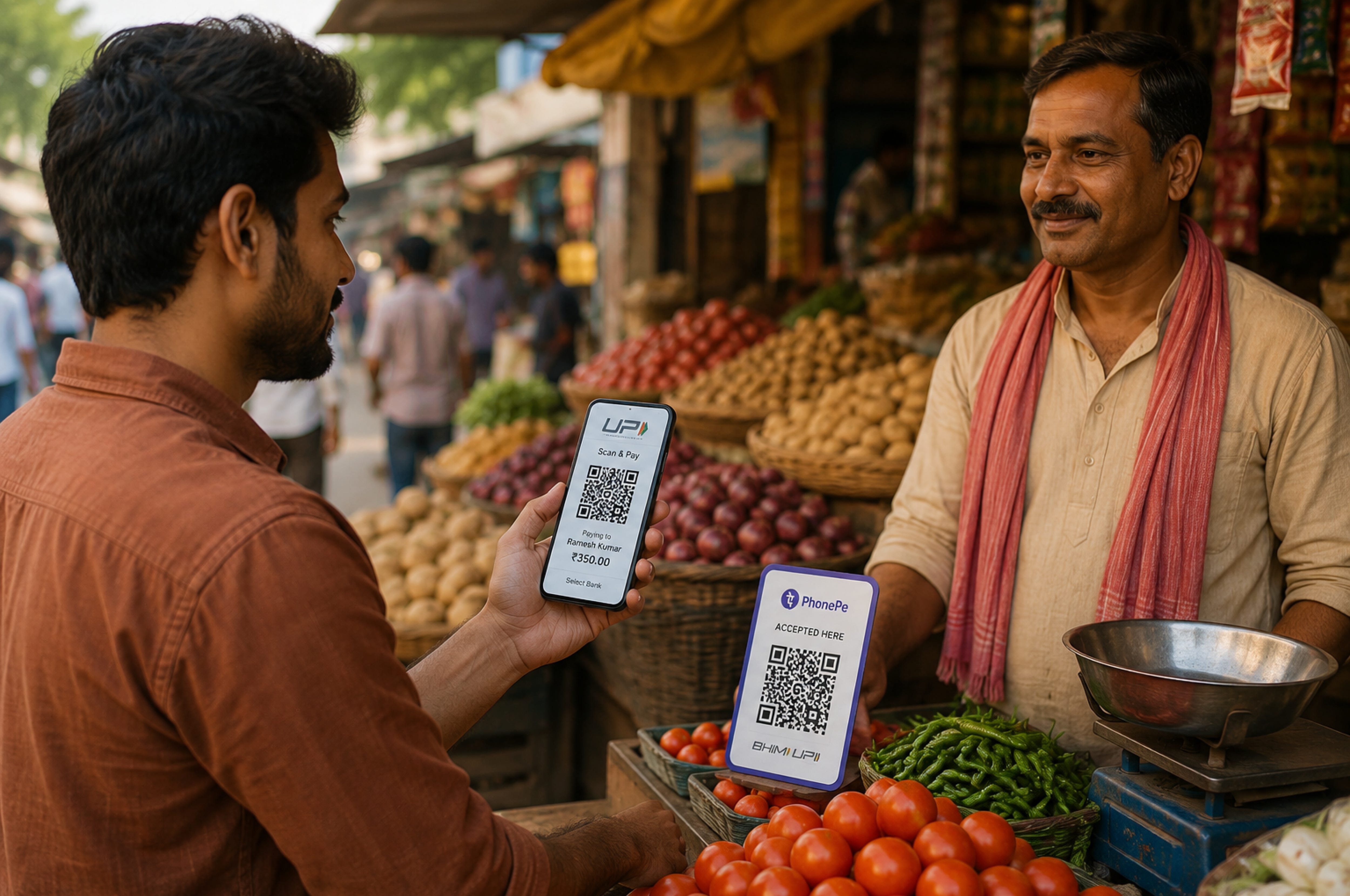
The second is voice-led, vernacular commerce. For millions of Indians, the barrier is not access to the internet. It is the effort of searching, comparing, understanding and completing a purchase in interfaces that were not built for how they naturally speak or decide.
Agentic AI sits at the intersection of both.
It can make onboarding easier, hide complexity, assist discovery, navigate catalogues and support transactions across languages, including the mixed-language reality of Indian consumers.
That is the larger opportunity. India has far more connected consumers than active online shoppers. If buying becomes as intuitive as speaking a command or making a UPI payment, the addressable market for digital commerce expands meaningfully.
4. The channel may no longer be the gatekeeper
The more consequential implication of Agentic AI is not convenience. It is control.
Nilekani’s point was that agent-led commerce could alter who mediates demand. Today, much of digital commerce is shaped by platforms that control discovery, traffic and ranking. Brands compete within those environments, often on terms set by the channel.
Agentic commerce could create a different path.
If a consumer’s agent can engage directly with a brand’s agent, the aggregator is no longer the only route to demand. Discovery may still matter, but the locus of influence begins to shift from platform-led visibility to agent-led selection.
For founders, this is the strategic question: in a market where purchase journeys are increasingly mediated by agents, what makes a brand legible, trusted and chosen?
The next commerce shift is already forming
The first wave of digital infrastructure made commerce easier. Agentic AI could make it more expansive, by bringing more connected Indians into transacting behaviour and by creating new routes between consumer intent and brand supply.
Nilekani framed the opportunity against a large and growing consumption base: India moving from roughly $240 billion to $390 billion in consumption over the next five years, before the added impact of Agentic AI.
For consumer brands, the question is more immediate.
If voice becomes a serious interface for commerce, and agents begin to mediate discovery and purchase, what should brands start designing for now?