


Millennials are not the largest consumer cohort in India. But they may be one of the most consequential for founders. They constitute over 25% of India’s population and already account for ~$1 trillion in consumption, expected to reach ~$1.5 trillion by FY30.
The wallet is moving
Millennial spending is expanding across categories that were once considered secondary. Travel, fashion, beauty and fitness are all seeing significant growth, with travel alone now representing a ~$100B wallet.
Beauty: clinics are the new salons
Skin and hair clinics are growing rapidly in Tier 1 cities. The demand is moving from occasional beauty treatments towards solving specific problems: acne, pigmentation, post-pregnancy hair fall and long-term skin and hair health. With 10,000 monthly searches for “clinics near me,” discovery is increasingly digital while trust remains expert-led.
Fashion: from functional to identity-led
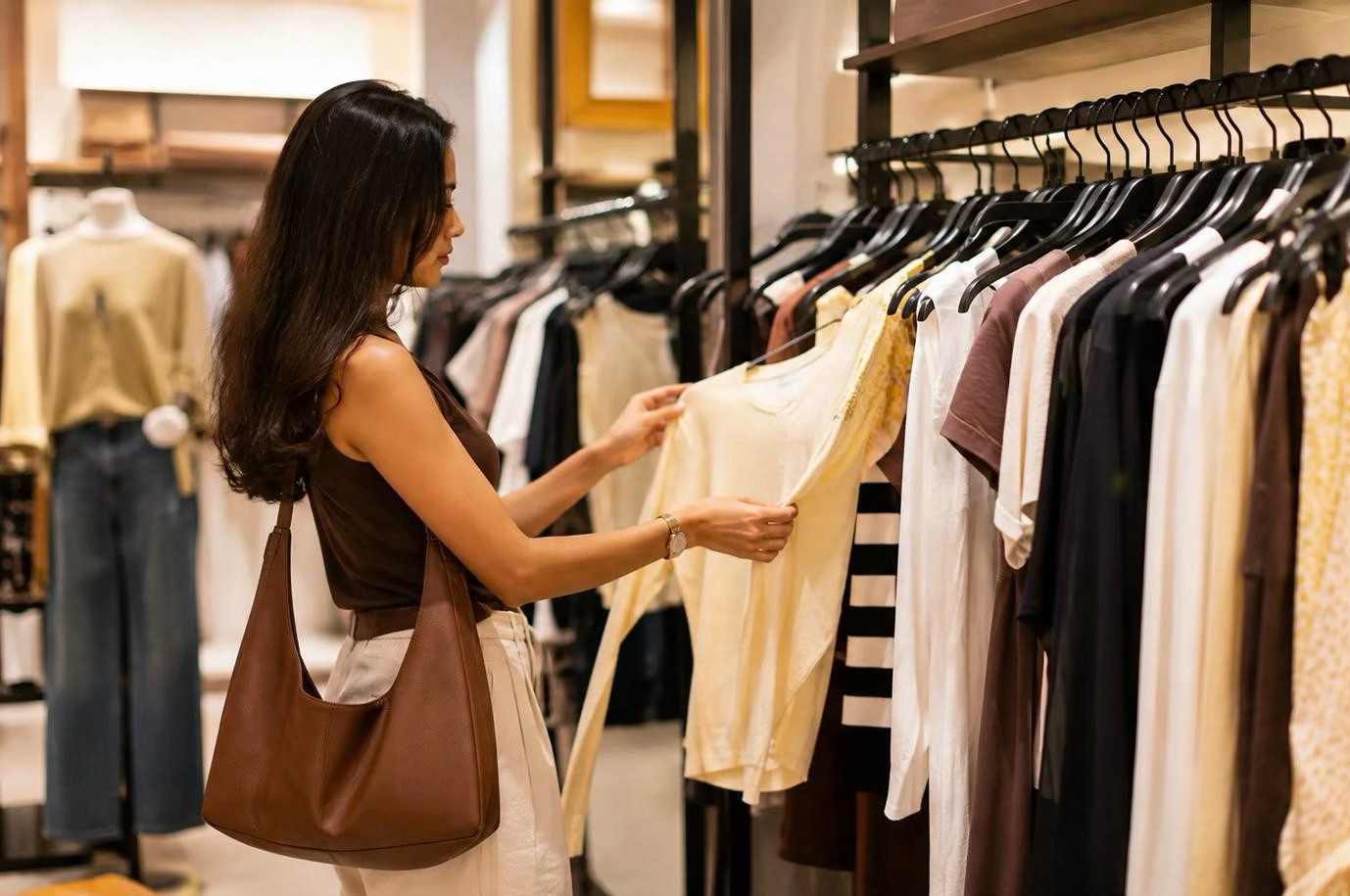
Millennials are moving from dressing for function to dressing for expression. For women, accessible luxury jewellery is becoming more personal, minimal and self-bought. For men, the shift is towards relaxed trousers, co-ords and smart casuals. Personal stylists are entering high-income Indian homes, while wardrobes themselves are expanding.
Fitness: from aesthetics to longevity
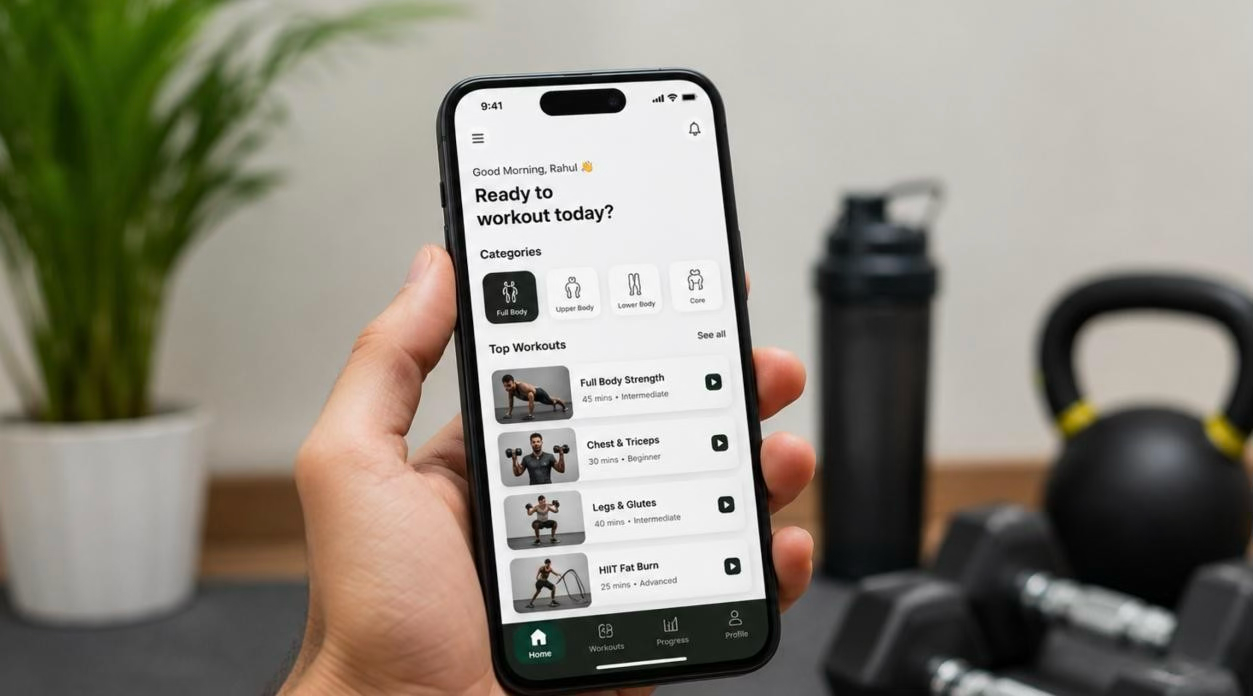
Fitness is becoming less about a short-term transformation and more about staying healthy, strong and productive. 7 in 10 Millennials take more than five supplements, while personal trainers and app-based coaching are becoming increasingly common. Community tennis, turf football, marathons and badminton are also becoming social occasions in their own right.
Food: better-for-you is becoming mainstream
Better-for-you products on quick commerce saw ~50% YoY growth in the last year. Two-thirds of Millennials are also willing to pay a premium for cleaner RTC/RTE products. The opportunity is no longer just healthier food. It is making healthier choices easier, more convenient and more desirable.
Women’s health: fertility becomes a choice
For Millennial women, fertility is increasingly becoming a financial and lifestyle decision. Egg freezing is growing at 25% YoY, while India’s fertility ecosystem continues to expand. This is a category where the opportunity is not simply medical. It sits at the intersection of health, lifestyle, planning and changing life stages.
Travel: premium, but personal
Millennials are choosing experiential travel over cookie-cutter stays. Boutique resorts, design-led properties, food-led itineraries, hiking escapes and music festivals are gaining share. The experiential travel category is growing at 25%.
Homes: the lifestyle anchor
Millennials are not just buying homes. They are designing lifestyles around them. 10–15% of home value is now going into interiors, creating opportunities across furniture, decor, appliances and experience-led design.
Pets: a new share of wallet
Pet ownership is moving from an informal category to an organised one. Food, grooming and accessories are now joined by daycare, pharmacy and vet care, creating significant room for premiumisation.
Weddings: the ultimate event
For Millennials, weddings are becoming bigger, more experiential and increasingly destination-led. The wedding planner market is projected to reach $16.5B by FY30, while 70% of Millennials opt for destination weddings. The opportunity is moving beyond individual products towards product + experience + seamless execution.
The bigger opportunity
Across categories, the pattern is remarkably consistent.
Millennials are willing to spend on things that make their lives better, easier, healthier, more personal or more enjoyable.
The opportunity for founders is not to build another premium brand. It is to identify what this generation is upgrading next, and build for that shift before it becomes obvious.