

Understanding the Consumer: Why Gen Z Matters

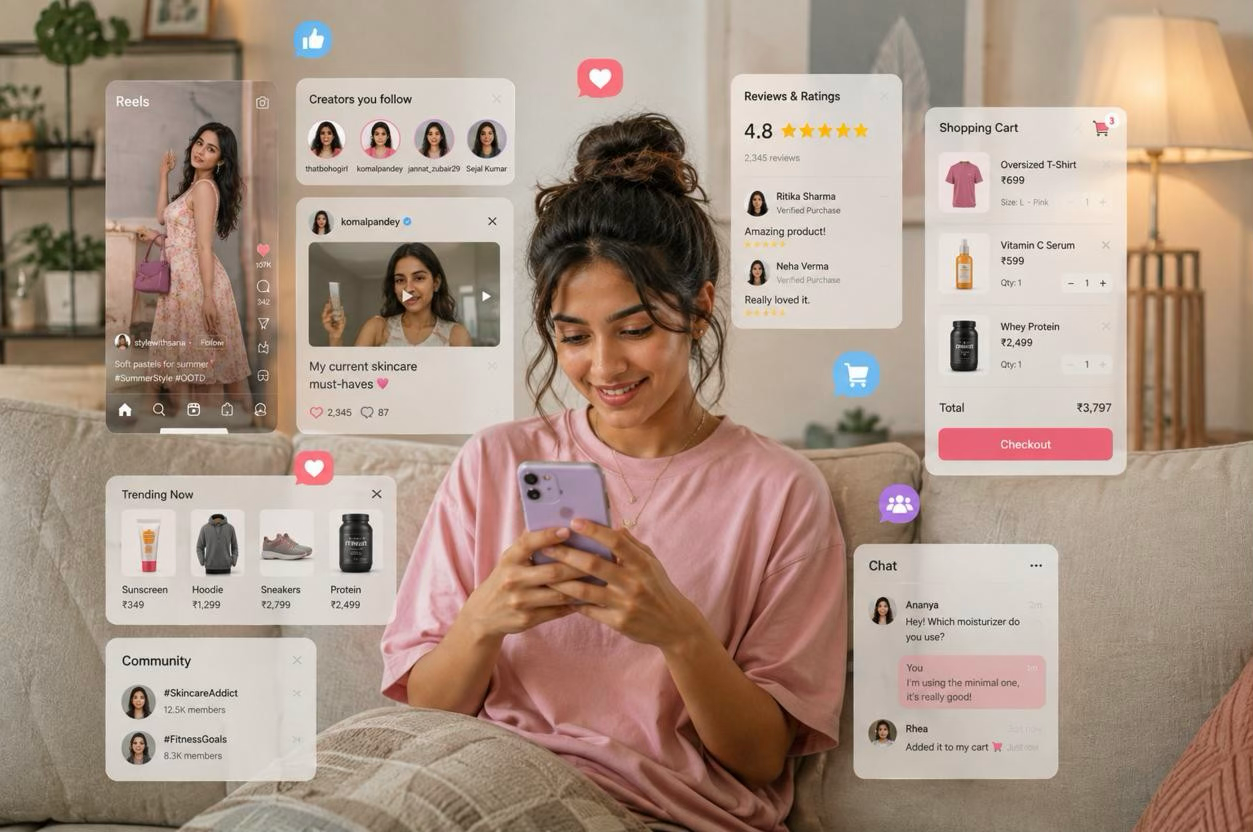
By 2030, Gen Z will be India’s largest cohort, making up roughly a quarter of the population.
India’s household spend is set to nearly triple, from $1.4 trillion to $3.8 trillion. With their spends and influence, Gen Z alone will command close to $1.5 trillion.
This isn’t a niche market. It’s the market.
The Reverse Generation: How Gen Z Is Influencing Consumption
The old model of consumer influence ran top down: parents decided, kids inherited. Gen Z has upended that logic.
They influence their parents rather than being influenced by them. They shop like millennials, without paying like them, discovering premium categories long before they can afford them. They follow celebrities on social media without idolizing them. And they want the latest, not the greatest, the newest drop matters more than the most durable one.
This is not a rejection of established norms, but a genuinely different operating system for consumption, built on identity, and constant self-curation rather than inherited habit.
Where the Wallet Is Actually Moving (from 2019 - 2030)
Four categories are absorbing the bulk of Gen Z’s incremental spend by 2030:
Travel: $32B to $106B
Fashion: $28B to $85B
Beauty: $7B to $19B
Fitness: $11B to $40B
Each of these tells a different story about what “growing up” means to this generation.
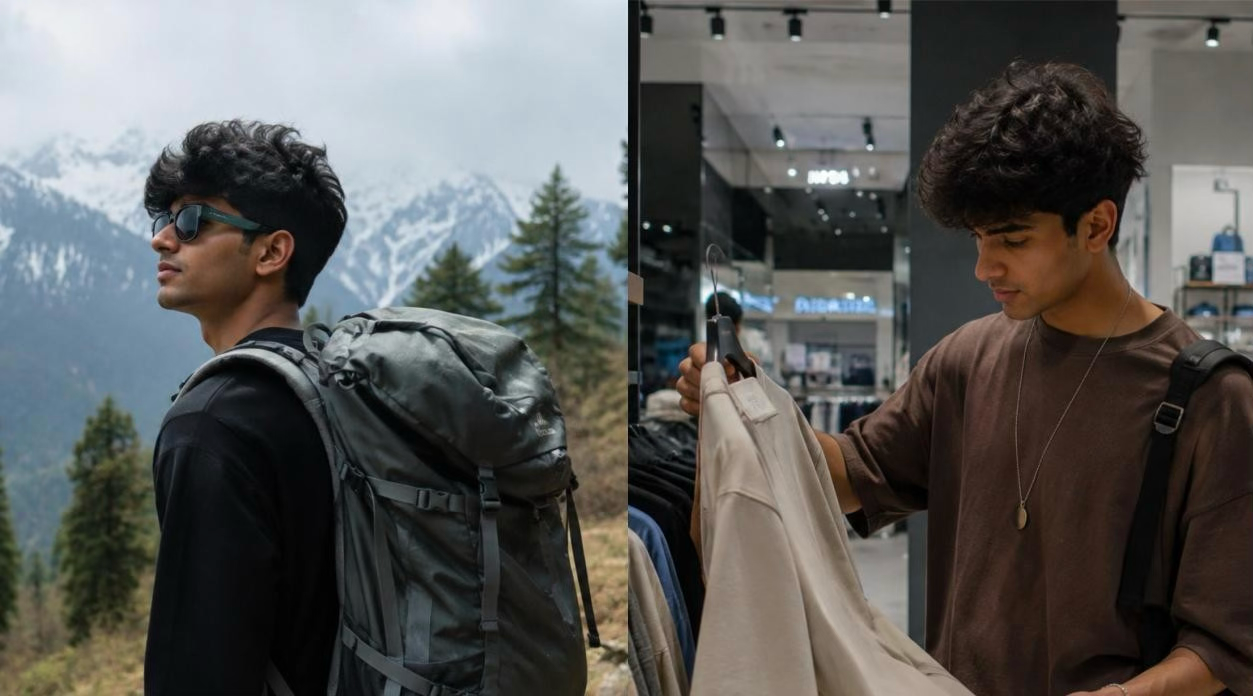
Travel: identity, not itinerary
Solo travel is up 25% year on year, driven by self exploration and Instagram curated discovery. A meaningful share of Gen Z travellers now spend over 20% of their income on travel, and industry estimates put India’s travel and tourism spend crossing $100 billion by 2030. This is a generation that travels experience first, budgets smart, and plans socially.
The infrastructure is catching up to meet this demand. Passport issuance has surged over the past few years, and airport count is expected to grow significantly by 2030 as more cities get connected. Hostel and alternative accommodation demand are both rising sharply, and micro travel like camping, hiking, offbeat staycations, is quietly becoming a category of its own.
Fashion: Dressing for the scroll, not the store
Fast fashion, for women, under ₹1,000 is booming, fuelled by Instagram and K pop aesthetics. Gen Z will drive a substantial share of India’s next $100 billion fashion opportunity, buying at high frequency and low brand loyalty. Unorganized retail still dominates this space, which is itself the opportunity: nobody has built the definitive platform yet.
On the men’s side, sneaker collections have grown several times over, and accessories spending has surged. Nearly a third of today’s workforce is bringing ‘work to play’ wardrobes into the office. Style, for Gen Z men, has become a legible signal of status in a way it wasn’t for their fathers.
Beauty: The shelf that never stops expanding
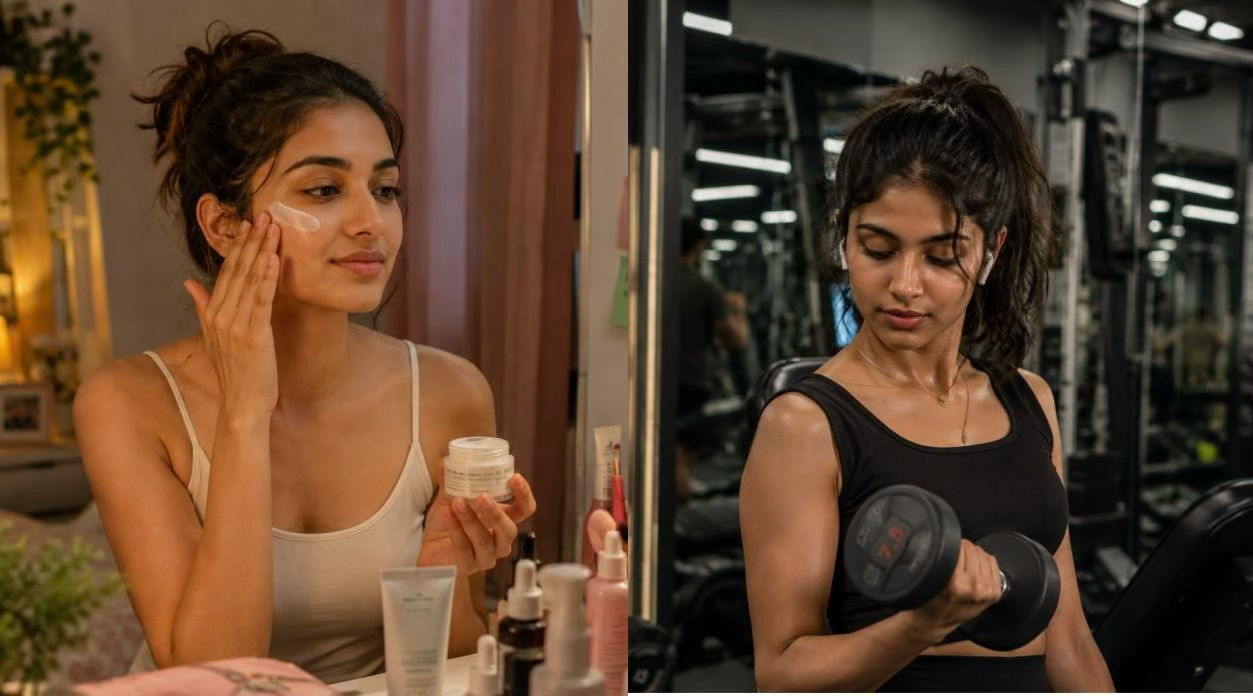
Beauty and personal care will hit a projected $36 to 38 billion in spend by FY30, with Gen Z accounting for roughly half of that category. A significant share of Gen Z women now spend over 20% of their disposable income on BPC, and loyalty is thin. Repeat purchases are up, but so is experimentation. The routine that mattered last year is old news.
Discovery has shifted entirely to creators. India now has thousands of active beauty creators with real influence, and that number has grown sharply since 2021. And it’s not aspirational anymore, its solutions first, searches have moved from “niacinamide” to “fix my acne fast.”
Men have entered fully. Searches for men’s skincare routines have surged over the past five years, and the men’s grooming market is on a multi billion dollar growth trajectory. Vanity, for this generation, is genderless.
Fitness: Protein as identity, sport as social life
For Gen Z, fitness isn’t aesthetics, it’s identity. Four in five see protein as essential to daily
intake, and India’s protein category is projected to hit ₹36,000 crore by 2030. But it’s trend first, not nutrition first; taste and format matter more than grams per scoop.
Sport itself has become the new social infrastructure. Pickleball, futsal, and badminton venues are expanding fast across India I and II, and this is quietly becoming one of the more interesting white spaces for brand integration. Thirty percent of Gen Z spend over a fifth of their income on fitness and sport; one in two works out daily. Fitness app revenue per user has grown 4x, proof that this generation will pay for structure around a habit that used to be free.
The Founder’s Takeaway
Gen Z isn’t a segment to bolt onto an existing brand strategy, it’s a different design brief entirely. Personalization isn’t a feature, it’s the baseline expectation. Loyalty isn’t earned through heritage, it’s earned turn by turn, purchase by purchase. And influence flows upward, through the household, before it flows outward through a market.
The founders who understand that Gen Z is setting the taste, not just consuming it, are the ones who’ll build the next generation of Indian consumer brands, not by following this cohort, but by building specifically for the way it already behaves.